Cleaning a home with ingredients already in the cupboard.
CleanHouseHub collects straightforward cleaning methods built around baking soda, white vinegar, plain soap and citrus. Each method is written for ordinary Canadian homes, with notes on which surfaces to avoid and how cold-weather conditions change the routine.

Four common items cover most household tasks
Rather than a separate bottle for every surface, most routine cleaning can be handled by a short list of inexpensive ingredients. Below is how each one is generally used.
Baking soda
Sodium bicarbonate works as a gentle scouring powder and helps lift greasy residue and absorb odours. It suits sinks, oven trays and the inside of the refrigerator.
White vinegar
Diluted white vinegar dissolves limescale and soap film on glass, taps and tile. It should be kept away from natural stone and unsealed grout.
Lemon
Lemon juice and peel add a fresh scent and help cut through light grease. The cut surface of a lemon can be used to freshen a wooden cutting board.
Microfiber cloth
A dampened microfiber cloth lifts dust and fine particles without added product, which reduces how much cleaner is needed on glass and finished surfaces.
Detailed cleaning methods
Each guide walks through a single routine step by step, with surface cautions and practical detail rather than general claims.
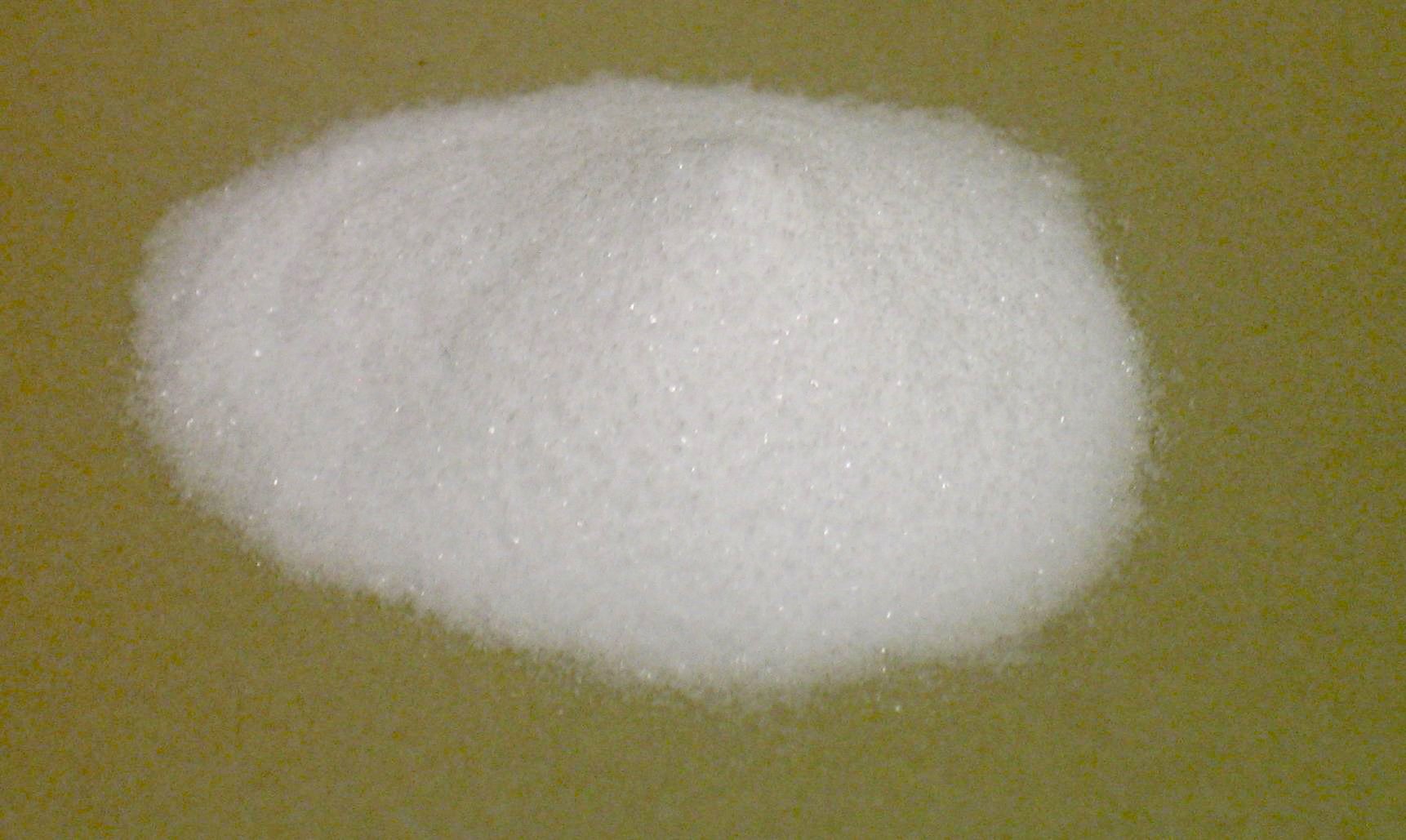
Baking soda and vinegar, used correctly
How the two react, where the combination helps, and where using them separately works better.
Read the guide
Natural floor care in Canadian homes
Sealed wood, laminate and tile each need a different approach, especially through salt-and-slush season.
Read the guide
Streak-free glass and windows
A simple vinegar solution, the right cloth and timing that avoids drying marks on a cold day.
Read the guideOne order that keeps surfaces from re-soiling
- 01
Clear and dry-dust first
Remove items and dry-dust from the top down with a microfiber cloth so loosened dust falls onto surfaces still to be cleaned.
- 02
Treat greasy spots
Apply a baking soda paste to greasy or stuck-on areas and let it sit for a few minutes before scrubbing.
- 03
Wipe with diluted vinegar
On suitable surfaces, follow with a diluted white vinegar solution to remove film, then buff dry.
- 04
Finish floors last
Vacuum or sweep, then damp-mop with a wrung-out mop so floors are not left standing wet.
Surface caution: Acidic mixtures such as vinegar can etch marble, granite and other natural stone, and can dull waxed or oiled wood. When a surface is unfamiliar, test on a hidden corner first.
Send a question or correction
Use the form below to reach the editors with a question about a method or to flag something that needs fixing. Fields are validated in the browser; nothing is transmitted from this static page.