Baking soda and vinegar, used correctly
Baking soda and white vinegar are two of the most common cleaning ingredients in Canadian kitchens, and they are often mixed together for a fizzing reaction. That reaction is satisfying to watch, but it is worth understanding what it does and does not accomplish so the two ingredients are used where each is strongest.
What each ingredient does on its own
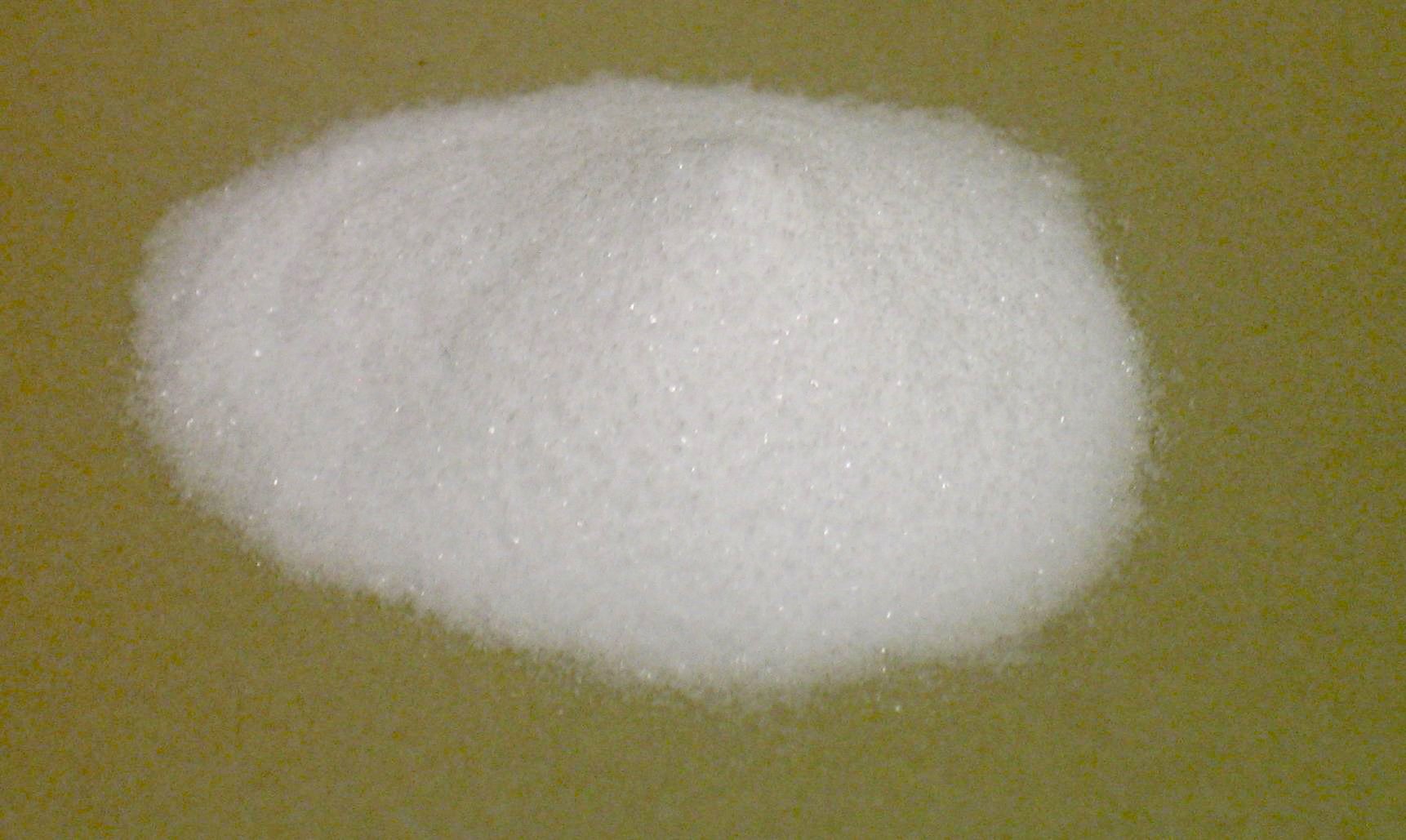
Baking soda is a mild alkaline powder. Its fine crystals make it a gentle abrasive, which is why it helps scrub baked-on residue from oven trays and lift marks from a stainless sink without scratching. It also absorbs many odours, which is the reason an open box is often left in the refrigerator.
White vinegar is a mild acid. Diluted with water, it dissolves the mineral deposits left by hard water, along with soap film on glass and tile. This makes it useful on kettles, taps and shower doors where limescale builds up.
What happens when they are combined
Mixing an acid and a base produces carbon dioxide gas, which is the fizz. Once that reaction finishes, what remains is mostly water with a small amount of dissolved salt, so the cleaning strength of both ingredients is largely spent. The practical use of the combination is the physical agitation of the bubbles, which can help loosen debris in a slow drain.
A reasonable use for the combination
- Pour a few tablespoons of baking soda into the drain.
- Follow with a similar amount of warm white vinegar and let it foam.
- After several minutes, flush with a kettle of hot water.
This can help with light buildup, but it will not clear a fully blocked pipe. For that, a drain snake or a plumber is the appropriate step.
Do not store the mixture. A sealed container of baking soda and vinegar can build pressure as gas is produced. Mix only what is used immediately, in an open drain or bowl.
Surfaces to keep vinegar away from
- Natural stone: Marble and granite counters can be etched by acid, leaving dull spots.
- Unsealed grout: Repeated acid contact can wear it down over time.
- Waxed or oiled wood: Vinegar can strip the finish and leave a cloudy look.
- Some rubber gaskets: Prolonged acid contact can degrade certain seals in appliances.
A quick reference
| Task | Better choice |
|---|---|
| Scrubbing an oven tray | Baking soda paste |
| Limescale on a tap | Diluted white vinegar |
| Absorbing fridge odour | Baking soda, open box |
| Loosening light drain buildup | The two combined, then hot water |
For more on where these ingredients fit into a full routine, see the guide on natural floor care and the notes on streak-free glass.
General background on sodium bicarbonate and acetic acid is available through public references such as Wikipedia's entry on sodium bicarbonate.